Build a dog run — step by step
A safe place where the dog can be outside — even when you're not home.
This is a complete guide to build a dog run yourself — step by step, with a material list, tools, a timeline and what it costs. It's written for anyone building at home without professional experience: count on 2–3 weekends and a material cost of around 6,000–18,000 kr.
Showing method: Timber frame with galvanised meshRecommended
The price is an estimate based on typical material prices and can vary depending on size, material choice, location and store.
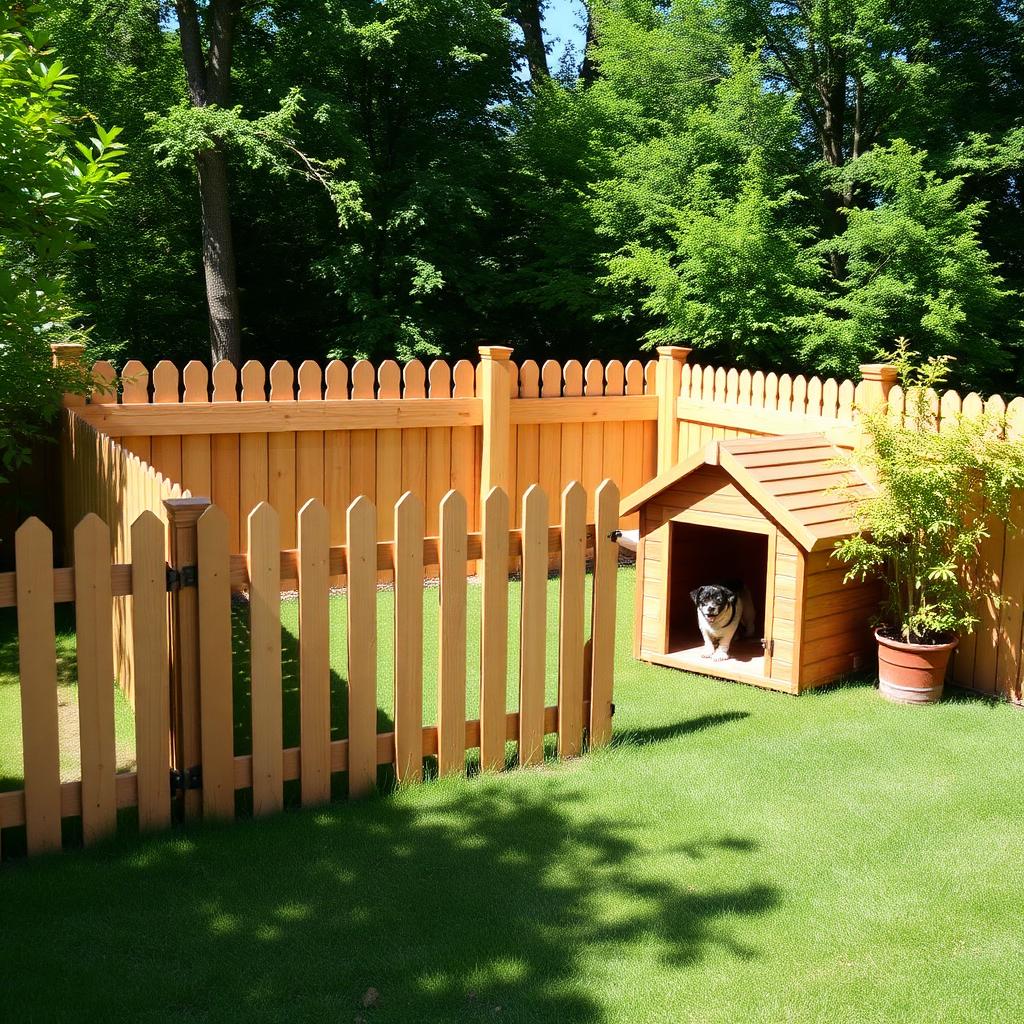
Which method suits you best?
Best for: Most dog owners who want to build it themselves and get an attractive result that blends into the garden at a reasonable price.
Please note: Material quantities, prices and building methods are guidelines. Always check current prices, local regulations and product instructions before starting a project.
How a dog run comes together
A dog run of 8–15 m² gives your dog room to move freely outdoors without you needing to be present. We build a sturdy fence 120–180 cm tall (depending on breed), a gate with a secure lock and a small dog house for weather protection. Note that larger dogs need at least 15 m².
Materials for a dog run — full list
Check items off while you shop — the list stays with you on the page.
Build a dog run step by step
- 01
Plan the size and location
At least 8 m² for a small dog, 15+ m² for a medium one, 25+ m² for a large dog. Place it in partial shade — direct sun all day gets too hot. Consider drainage: avoid low points where water collects.
Tip: Position the run where you can see it from a window — the dog feels safer. - 02
Mark out and set the posts
Mark the corners with stakes and string. Allow for a post at every corner and max 2 m between posts. Dig 60–70 cm deep holes and set the posts in fast-setting concrete. Curing time 12–24 hours.
- 03
Fit the sill and top rail
Screw the sill on at the bottom (5 cm above ground) and the top rail at the top. This gives a stable frame for the panelling or mesh.
- 04
Fit the fence
Pickets: screw them on with a max 5 cm gap (smaller for small dogs). Chicken wire: stretch it and fix it with staples on the inside of the posts. Height 120 cm for small dogs, 150–180 cm for larger ones.
Tip: Bury the mesh or a board 20 cm into the ground if the dog digs — otherwise it will escape. - 05
Build the gate
Build a gate 90 cm wide with heavy-duty T-hinges and a secure lock (ideally a carabiner clip — dogs can't open ordinary latches). Fit the diagonal brace the right way so the gate doesn't sag.
- 06
Set up the dog house
Place the house in a corner with the opening away from rain and wind. Lift the house off the ground on pressure-treated battens (air gap underneath) so damp can't get in.
- 07
Ground surface in the run
Grass looks the nicest but wears out quickly. Bark, sand or gravel lasts longer and drains well. Lay landscape fabric underneath to stop weeds.
- 08
Oil and check
Oil all the wooden surfaces. Check there are no sharp screws, nails or protruding ends where the dog could get hurt. Sand down anything like that.
Help specific to build a dog run
How the time breaks down
A dog run of about 12 m² takes 2–3 weekends. Digging and the posts take the most time, the fence goes quickly.
- Planning, measuring & shoppingWeekend 1 morning (3 h)
- Digging and setting 8 postsWeekend 1 (6–8 h)
- Concrete curing time12–24 hours
- Sill + top railWeekend 2 (3 h)
- Fitting the fence/meshWeekend 2 (4–6 h)
- Building and hanging the gateWeekend 3 (3 h)
- Dog house + ground surface + oilingWeekend 3 (4–6 h)
How to save time
- Hire a post-hole auger — saves at least half a weekend of digging.
- Buy a ready-made dog house instead of building one — from 1,500 kr ready-made.
- Two people halve the time on fitting the fence.
Questions and answers about build a dog run
How do you build a dog run?
A dog run of 8–15 m² gives your dog room to move freely outdoors without you needing to be present. We build a sturdy fence 120–180 cm tall (depending on breed), a gate with a secure lock and a small dog house for weather protection. Note that larger dogs need at least 15 m². The guide breaks the work into 8 steps — you start with plan the size and location, mark out and set the posts and fit the sill and top rail and work your way forward at your own pace.
How much does it cost to build a dog run?
Material cost is typically 6,000–18,000 kr. Total cost 6,000–18,000 kr for a dog run of about 12 m². Depends a lot on whether you choose pickets or chicken wire. The biggest items are posts 95×95 mm (8 pcs) 2,000–3,200 kr, battens 45×95 mm (~25 m) 1,000–1,800 kr and pickets or chicken wire 1,500–4,000 kr. The price varies with size, material choice, location and store.
What materials do you need for a dog run?
You'll need things like posts 95 × 95 mm pressure-treated, top rail + sill 45 × 95 mm, pickets 22 × 70 mm pine, or galvanised chicken wire 100 cm × 25 m and concrete (fast-setting) — the full material list with quantities is in the guide and can be checked off while you shop. Tools you'll need at home: drill & batteries, circular saw or mitre saw, spirit level and tape measure & pencil.
How long does it take and how hard is it?
Count on 2–3 weekends for a dog run. A dog run of about 12 m² takes 2–3 weekends. Digging and the posts take the most time, the fence goes quickly. The difficulty level is moderate, so you can manage it without professional experience if you follow the steps in order.
Which method should I choose for a dog run?
There are 3 common ways to build it: timber frame with galvanised mesh, galvanised kennel panels and premium kennel panels with roof. Choose a method at the top of the page — the guide, material list and cost then adapt to that solution. We recommend timber frame with galvanised mesh for most homes.
What's the most common mistake?
The mistakes we see most often: too low a fence — many medium-sized dogs jump 120 cm with no trouble, gaps larger than 5 cm — the dog can get its head stuck or slip through and forgetting to bury the fence — a digging dog is out within an hour. Read through the whole guide once before you start — that way you'll avoid most of them.
And that's it, done.
Take a step back, pour a cup of coffee and enjoy. You built it yourself.
Next project: Build a bin storeDid this guide help you?
Your opinion helps us improve our content.
Built something you're proud of?
Send us photos of your finished project — we pick out and publish them as inspiration for others who want to build a dog run.
Related outdoor projects
If you're planning to build a dog run, one of these projects is often a great fit to do at the same time.
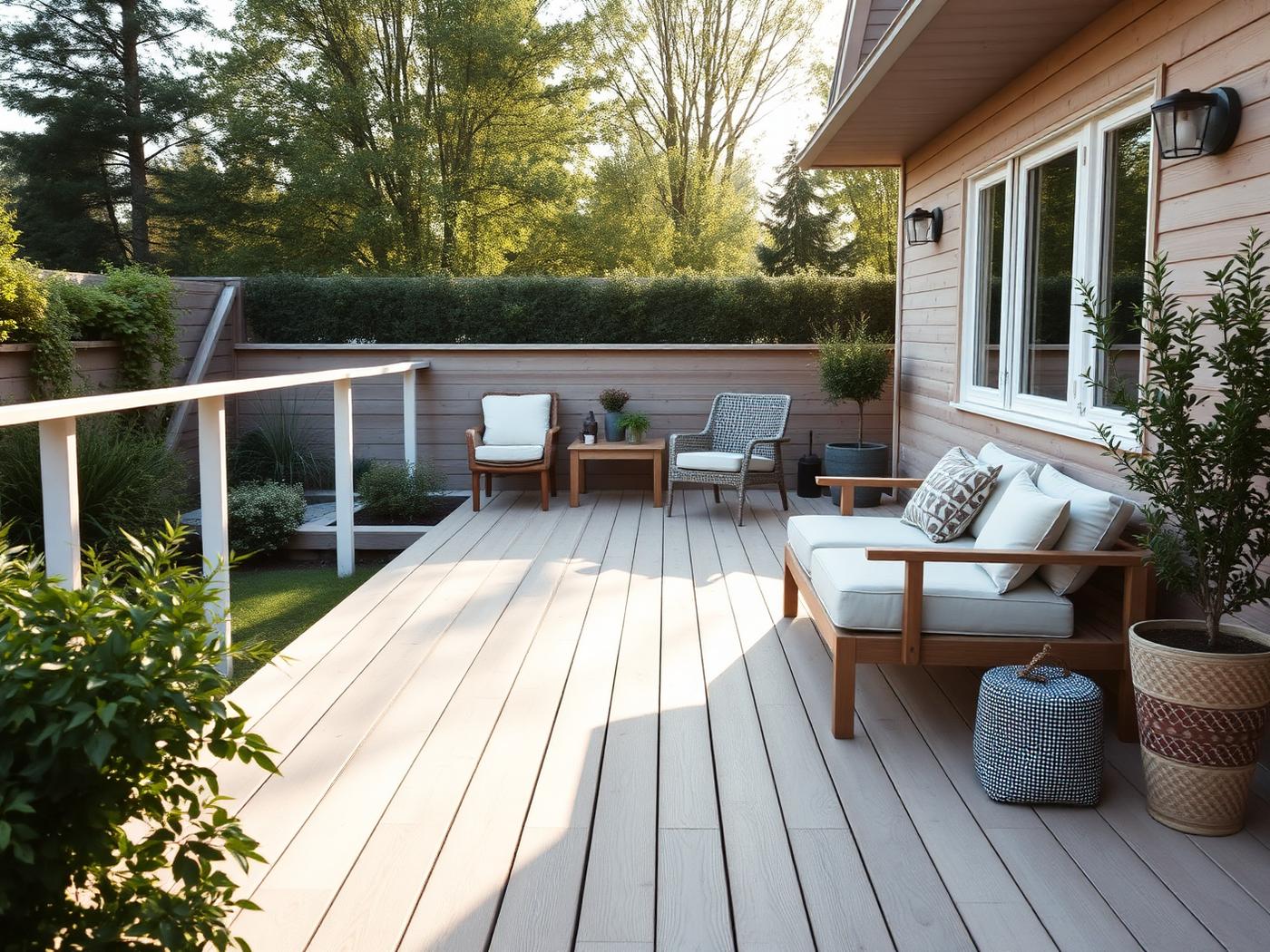
Build a deck
A classic timber deck built over six weekends — a place to breathe out.
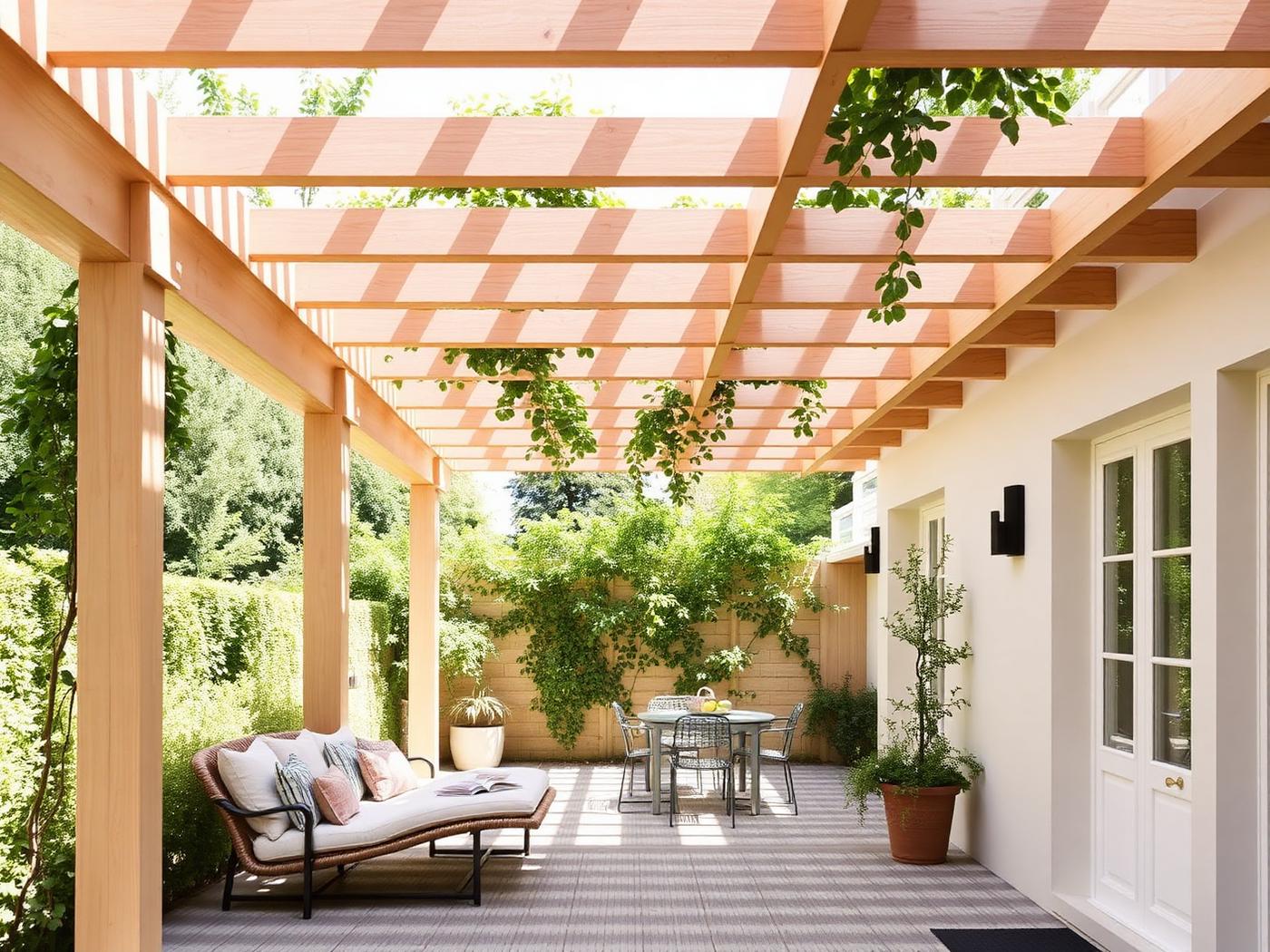
Build a pergola
Create an outdoor room with an airy pergola in light-coloured wood.
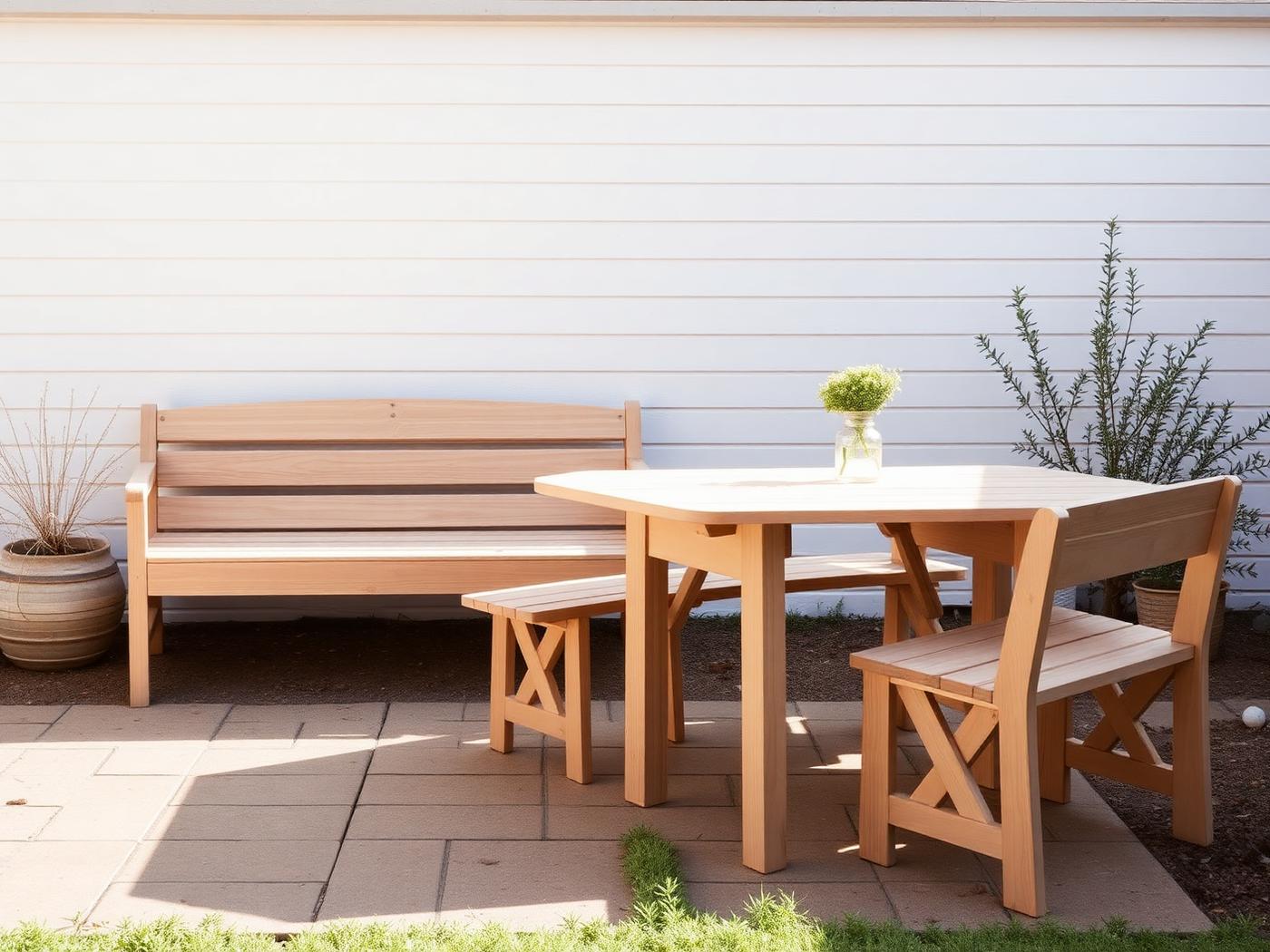
Build outdoor furniture
A sturdy garden bench that lasts for decades.