Replace a window — step by step
A new window means a warmer house and a quieter home — and it's a doable DIY job.
This is a complete guide to replace a window yourself — step by step, with a material list, tools, a timeline and what it costs. It's written for anyone building at home without professional experience: count on 4–8 hours per window and a material cost of around 3,500–9,000 kr per window.
The price is an estimate based on typical material prices and can vary depending on size, material choice, location and store.
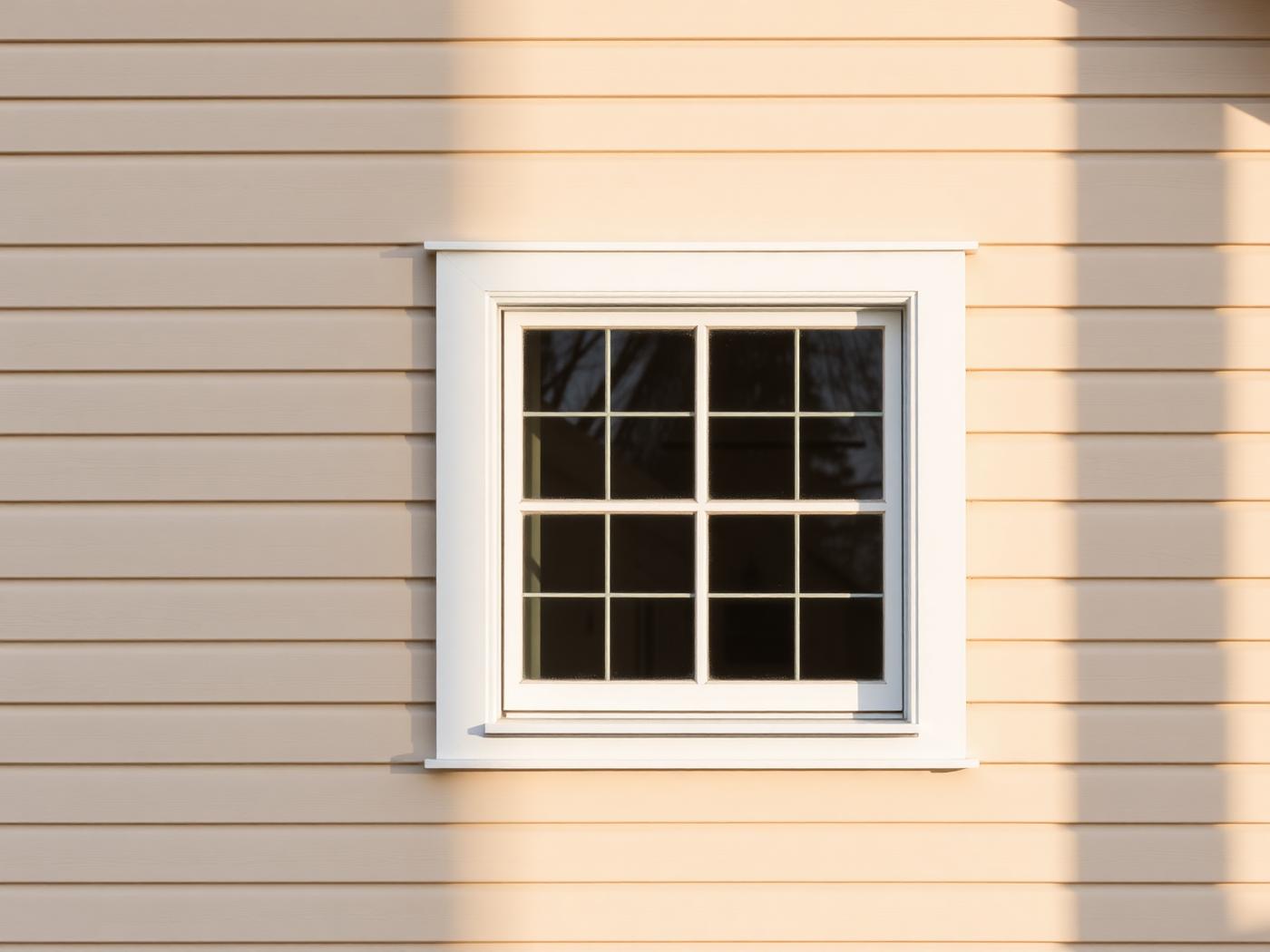
Please note: Material quantities, prices and building methods are guidelines. Always check current prices, local regulations and product instructions before starting a project.
How a window comes together
Replacing windows is one of the most cost-effective renovation projects — energy use drops, outside noise is dampened and the house immediately looks more cared for. It's fully possible to do yourself if you're handy, but it demands precision with measurements, level and sealing. We'll cover how to replace a standard window without damaging the facade.
Materials for a window — full list
Check items off while you shop — the list stays with you on the page.
Replace a window step by step
- 01
Measure the existing window
Measure the outer dimensions of the frame in width and height in at least three places — window openings are rarely perfectly rectangular. The new window should be 15–20 mm smaller than the wall opening on each side in width and height (30–40 mm total) to leave room for insulation and adjustment with wedges.
Tip: Order the window based on the SMALLEST measurement — you can always pack it out, but never shrink it. - 02
Protect the facade and pick the right day
Cover floors and furniture indoors, and cover the facade outside. Choose a dry day — rain during the swap ruins both the insulation and the inside of the facade. Allow for the window to be out for 2–3 hours.
- 03
Remove the interior trim
Pry off the interior trim with a wide putty knife or small crowbar. Put a piece of wood in between so you don't damage the plasterboard. Save the trim if it's in good condition — it can be reused.
- 04
Lift out the old window
Unscrew the window screws (hidden behind plastic plugs in the frame). Cut through the exterior sealant with a knife. Carefully pry the frame loose and lift out the whole unit — it's heavy, have a second person on hand.
Tip: Mark the hinge side with tape before lifting it out — it's easy to mix up top/bottom on the new one. - 05
Clear the opening thoroughly
Brush away all old insulation, sealant residue and mortar. Check that the reveal is sound — repair any rotten timber now, this is your only chance.
- 06
Fit the new window plumb and level
Insert the new window and wedge it in place at the corners — at least two wedges per side. Check plumb, level and diagonal measurements (should match in both directions). Open and close the sash — it should move freely without rubbing.
Tip: Adjust the wedges until the sash stays still when half-open without drifting — that's how you know the frame is completely straight. - 07
Screw in place and insulate
Drill and tighten the window screws through the sides of the frame (3–4 per long side) — through the wedges or next to them. Then pack insulation strip into the whole gap around the frame — it should be firm but not compressed. Finish with a thin layer of low-expansion foam sealant for airtightness.
- 08
Seal the outside and fit the flashing
Place a backer rod in the exterior gap, then fill with exterior sealant and smooth it. Screw the window flashing on at the bottom, sloped outward so water runs off — NOT toward the house.
- 09
Fit the interior trim
Cut new (or reused) trim with a 45° mitre. Nail it in place with finish nails. Fill any gaps between the trim and the wall with acrylic caulk. Wait until everything has dried before painting.
Help specific to replace a window
How the time breaks down
Allow 4–8 hours per window for an experienced DIYer — most of the time goes on careful measuring and adjusting with wedges.
- Pre-measuring + ordering the new window1 hour + 2–6 weeks lead time
- Protecting facade/interior, removing trim30–45 min
- Lifting out the old window30–60 min (two people)
- Clearing opening + setting new window plumb1–1.5 hours
- Screwing, insulating and foaming45–60 min + curing time
- Sealing outside + fitting flashing45–60 min
- Interior trim + painting1–2 hours + drying time
How to save time
- Order all windows at once if you're replacing several — shipping discount and you'll be at least twice as fast from window number two.
- Ask the hardware store to come and pre-measure for free — if they deliver the wrong size, they cover the cost.
- Book 2 days per window in your calendar even if the job takes 6 hours — you want margin for rain and surprises.
Questions and answers about replace a window
How do you replace a window?
Replacing windows is one of the most cost-effective renovation projects — energy use drops, outside noise is dampened and the house immediately looks more cared for. It's fully possible to do yourself if you're handy, but it demands precision with measurements, level and sealing. We'll cover how to replace a standard window without damaging the facade. The guide breaks the work into 9 steps — you start with measure the existing window, protect the facade and pick the right day and remove the interior trim and work your way forward at your own pace.
How much does it cost to replace a window?
Material cost is typically 3,500–9,000 kr per window. Total cost 3,500–9,000 kr per window. The window itself accounts for 80% — surrounding materials are just a few hundred kronor. The biggest items are standard wood/aluminium window (120×120 cm) 3,000–7,500 kr, window screws (6–8 pcs) 80–150 kr and low-expansion foam sealant 100–180 kr. The price varies with size, material choice, location and store.
What materials do you need for a window?
You'll need things like new window (correct frame size), window screws 7 × 90/120 mm, low-expansion foam sealant, insulation strip (mineral wool or hemp) and sealant (exterior grade) — the full material list with quantities is in the guide and can be checked off while you shop. Tools you'll need at home: crowbar/pry bar, hammer, jigsaw or handsaw and drill.
How long does it take and how hard is it?
Count on 4–8 hours per window for a window. Allow 4–8 hours per window for an experienced DIYer — most of the time goes on careful measuring and adjusting with wedges. The difficulty level is challenging, so you can manage it without professional experience if you follow the steps in order.
What's the most common mistake?
The mistakes we see most often: measuring the glass opening instead of the frame's outer dimensions — the new window ends up too big or too small, using ordinary foam sealant instead of low-expansion — the frame gets pushed out of plumb and the sash sticks and forgetting the insulation and just foaming — worse insulation and risk of condensation in the gap. Read through the whole guide once before you start — that way you'll avoid most of them.
And that's it, done.
Take a step back, pour a cup of coffee and enjoy. You built it yourself.
Next project: Replace a front doorDid this guide help you?
Your opinion helps us improve our content.
Built something you're proud of?
Send us photos of your finished project — we pick out and publish them as inspiration for others who want to replace a window.
Related outdoor projects
If you're planning to replace a window, one of these projects is often a great fit to do at the same time.
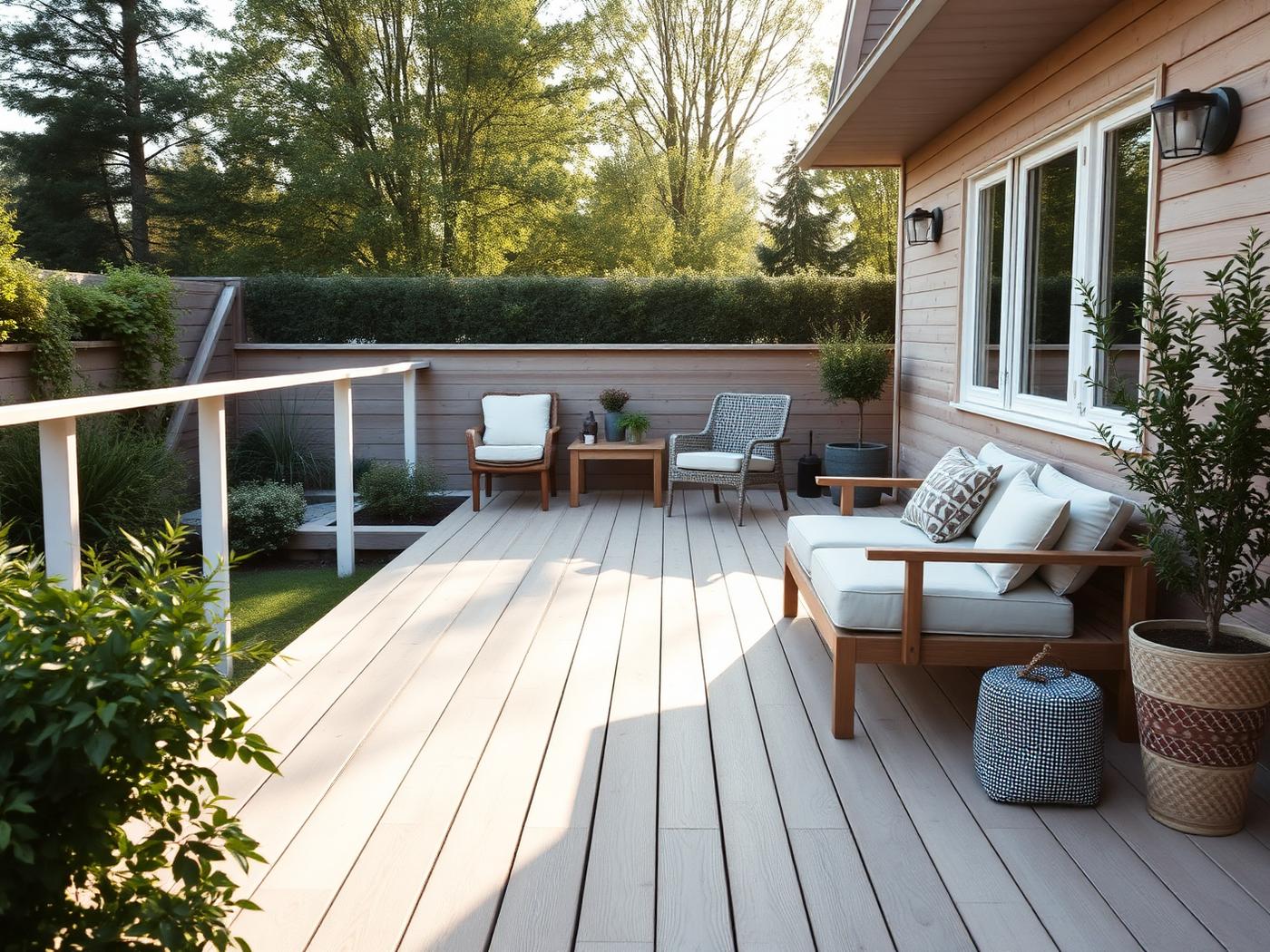
Build a deck
A classic timber deck built over six weekends — a place to breathe out.

Build a pergola
Create an outdoor room with an airy pergola in light-coloured wood.
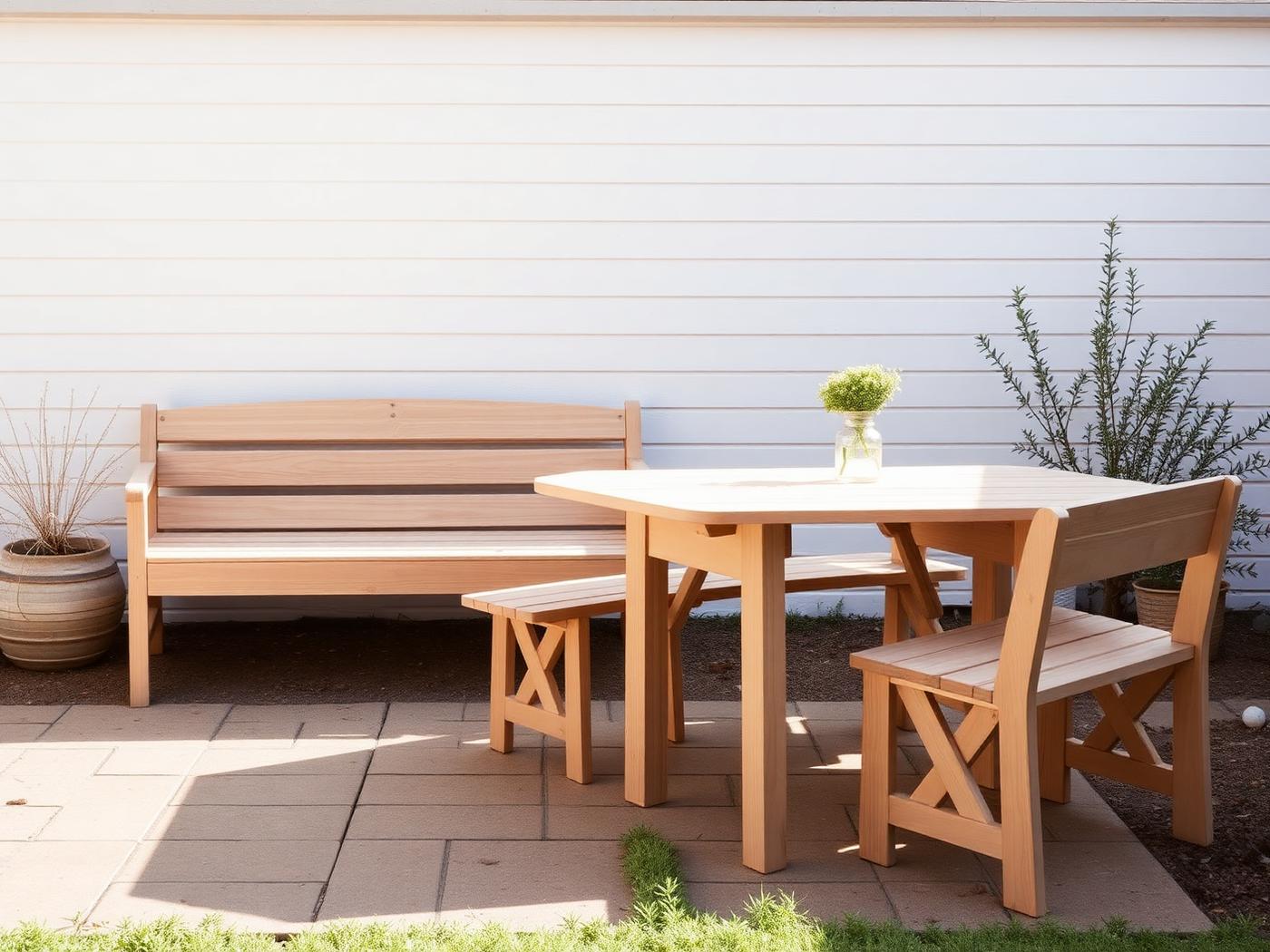
Build outdoor furniture
A sturdy garden bench that lasts for decades.