Build a chicken coop — step by step
Fresh eggs every morning — and hens bring the garden to life.
This is a complete guide to build a chicken coop yourself — step by step, with a material list, tools, a timeline and what it costs. It's written for anyone building at home without professional experience: count on 3–5 weekends and a material cost of around 8,000–25,000 kr.
Showing method: Classic coop for 4–6 hens
The price is an estimate based on typical material prices and can vary depending on size, material choice, location and store.
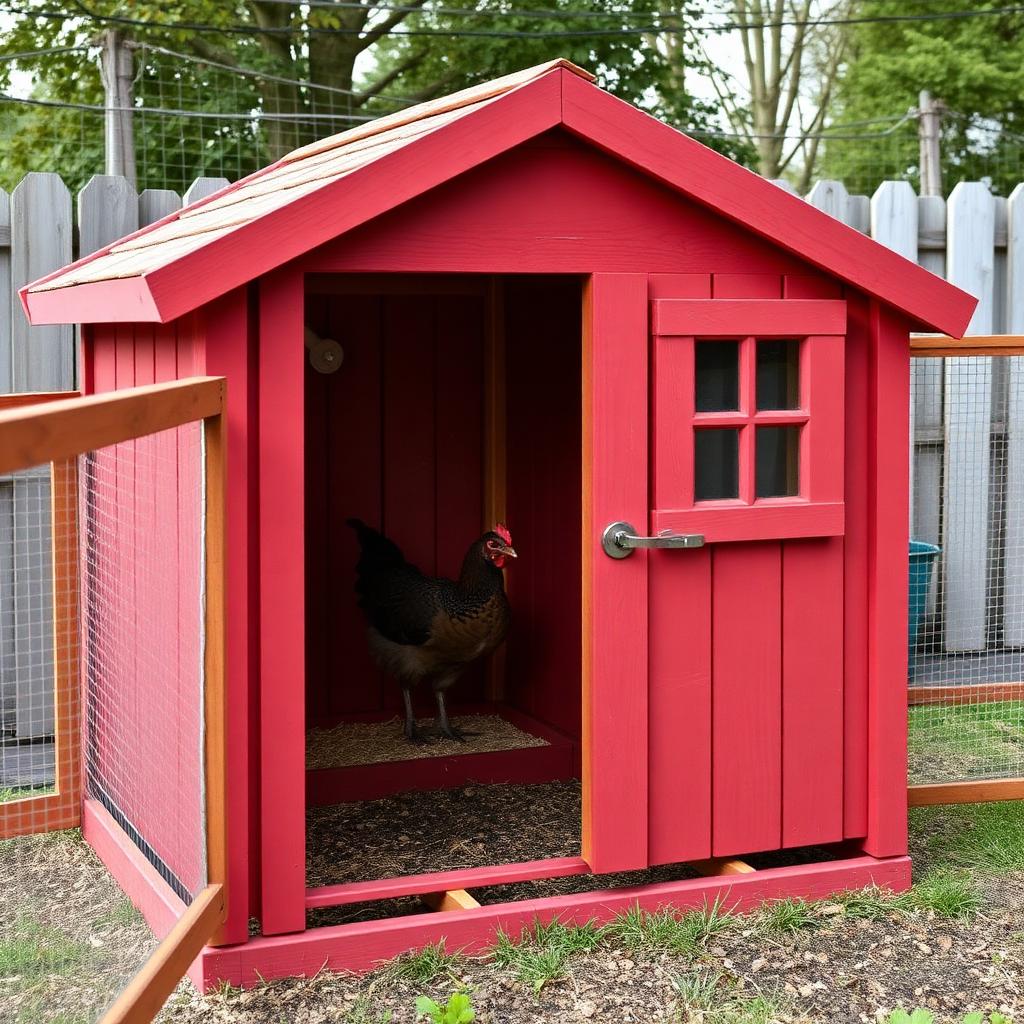
Which method suits you best?
Best for: A family who wants their own eggs and hens as pets.
Please note: Material quantities, prices and building methods are guidelines. Always check current prices, local regulations and product instructions before starting a project.
How a chicken coop comes together
A chicken coop for 4–6 hens needs about 2–3 m² inside plus a run of at least 8–10 m². We build an insulated coop with nesting boxes, roosting bars and a small hatch for the hens — plus a sturdy fox-proof run. Check building permit rules: sheds under 15 m² usually don't need one.
Materials for a chicken coop — full list
Check items off while you shop — the list stays with you on the page.
Build a chicken coop step by step
- 01
Plan and check the rules
Allow 0.5 m² inside and at least 2 m² of run per hen. Check with your local council — built-up areas often require permission to keep hens. Sheds under 15 m² usually don't need a building permit.
Tip: Talk to your neighbours first — hens rarely bother anyone, but a rooster will. - 02
Set the foundation on piers
Dig 4 pier holes 70 cm deep. The piers should form a rectangle of about 200 × 150 cm. Level them carefully. Lift the coop at least 30 cm off the ground — this keeps out rats and damp.
- 03
Build the floor structure
Screw sill joists onto the piers and lay floor joists at 60 cm spacing. Lay plywood or sarking boards as the floor. Wax or oil the floor — it becomes much easier to keep clean.
- 04
Raise the walls
Build four wall frames flat on the floor (sill, top rail, studs at 60 cm centres). Leave an opening for the chicken hatch (20 × 30 cm) and a door (60 × 170 cm) for you to enter through. Raise them and screw together at the corners.
- 05
Insulate and clad
Fit insulation between the studs (optional but allows laying even in winter). Screw plywood on the inside and shiplap cladding on the outside. Ensure good ventilation at the top — hens produce a lot of moisture.
Tip: Drill 3–4 ventilation holes 30 mm at the top of the front and back, with insect mesh in front. - 06
Lay the roof
A lean-to roof (15° slope) is simplest. Sarking boards, roofing felt underlay, then sheet roofing or shingles. The roof should overhang at least 15 cm at the sides so rain doesn't get into the wall.
- 07
Build nesting boxes and roosting bars
Nesting boxes: build boxes 30 × 30 × 30 cm in plywood, one per 3–4 hens. Place them in a darker corner. Roosting bars: 40 mm round dowel, about 25 cm above the floor. Allow 25 cm of bar per hen.
- 08
Build a fox-proof run
Posts at the corners, a top rail, galvanised mesh with 19 mm holes (smaller mesh is safer against marten). Bury the mesh 30 cm into the ground or lay a board around the outside — foxes and martens will otherwise dig their way in.
- 09
Paint and fit out
Falun red paint gives a classic Swedish look. Scatter wood shavings or straw on the floor inside — easier to shovel out than sand. Fit a feeder and waterer on the wall or hanging to keep things clean.
Help specific to build a chicken coop
How the time breaks down
A chicken coop with a run for 4–6 hens takes 3–5 weekends. The frame and the run take the most time.
- Planning, drawing & shoppingWeekend 1 morning (4 h)
- Piers + floor structureWeekend 1 (6–8 h)
- Raising walls + insulatingWeekend 2 (8–10 h)
- Roof + claddingWeekend 3 (8–10 h)
- Nesting boxes + roosting bars + doorWeekend 4 (4–6 h)
- Fox-proof runWeekend 4–5 (6–10 h)
- Painting + fitting outWeekend 5 (4–6 h + drying time)
How to save time
- Buy ready-made nesting boxes if you want to save time (from 400 kr each).
- Hire a post-hole auger — saves hours on the run.
- Two people halve the time — especially raising the walls and roof.
Questions and answers about build a chicken coop
How do you build a chicken coop?
A chicken coop for 4–6 hens needs about 2–3 m² inside plus a run of at least 8–10 m². We build an insulated coop with nesting boxes, roosting bars and a small hatch for the hens — plus a sturdy fox-proof run. Check building permit rules: sheds under 15 m² usually don't need one. The guide breaks the work into 9 steps — you start with plan and check the rules, set the foundation on piers and build the floor structure and work your way forward at your own pace.
How much does it cost to build a chicken coop?
Material cost is typically 8,000–25,000 kr. Total cost 8,000–25,000 kr for a coop plus run for 4–6 hens. Depends a lot on whether you insulate and which roof you choose. The biggest items are piers + sill + floor structure 1,500–2,500 kr, battens 45×70 mm (~35 m) 1,400–2,400 kr and plywood/sarking boards (~12 m²) 1,200–2,200 kr. The price varies with size, material choice, location and store.
What materials do you need for a chicken coop?
You'll need things like concrete piers, sill joists 45 × 95 mm pressure-treated, battens 45 × 70 mm pine, plywood 12 mm or sarking boards and exterior cladding (shiplap 22 × 120 mm) — the full material list with quantities is in the guide and can be checked off while you shop. Tools you'll need at home: drill & batteries, circular saw or mitre saw, spirit level and tape measure & pencil.
How long does it take and how hard is it?
Count on 3–5 weekends for a chicken coop. A chicken coop with a run for 4–6 hens takes 3–5 weekends. The frame and the run take the most time. The difficulty level is challenging, so you can manage it without professional experience if you follow the steps in order.
Which method should I choose for a chicken coop?
There are 2 common ways to build it: classic coop for 4–6 hens and small coop for 2–3 hens. Choose a method at the top of the page — the guide, material list and cost then adapt to that solution.
What's the most common mistake?
The mistakes we see most often: coop set too low off the ground — rats move in underneath, mesh with large holes — martens and weasels get through 25 mm but not 19 mm and forgetting to bury the mesh — the fox digs its way in overnight. Read through the whole guide once before you start — that way you'll avoid most of them.
And that's it, done.
Take a step back, pour a cup of coffee and enjoy. You built it yourself.
Next project: Replace facade cladding – board-on-boardDid this guide help you?
Your opinion helps us improve our content.
Built something you're proud of?
Send us photos of your finished project — we pick out and publish them as inspiration for others who want to build a chicken coop.
Related outdoor projects
If you're planning to build a chicken coop, one of these projects is often a great fit to do at the same time.
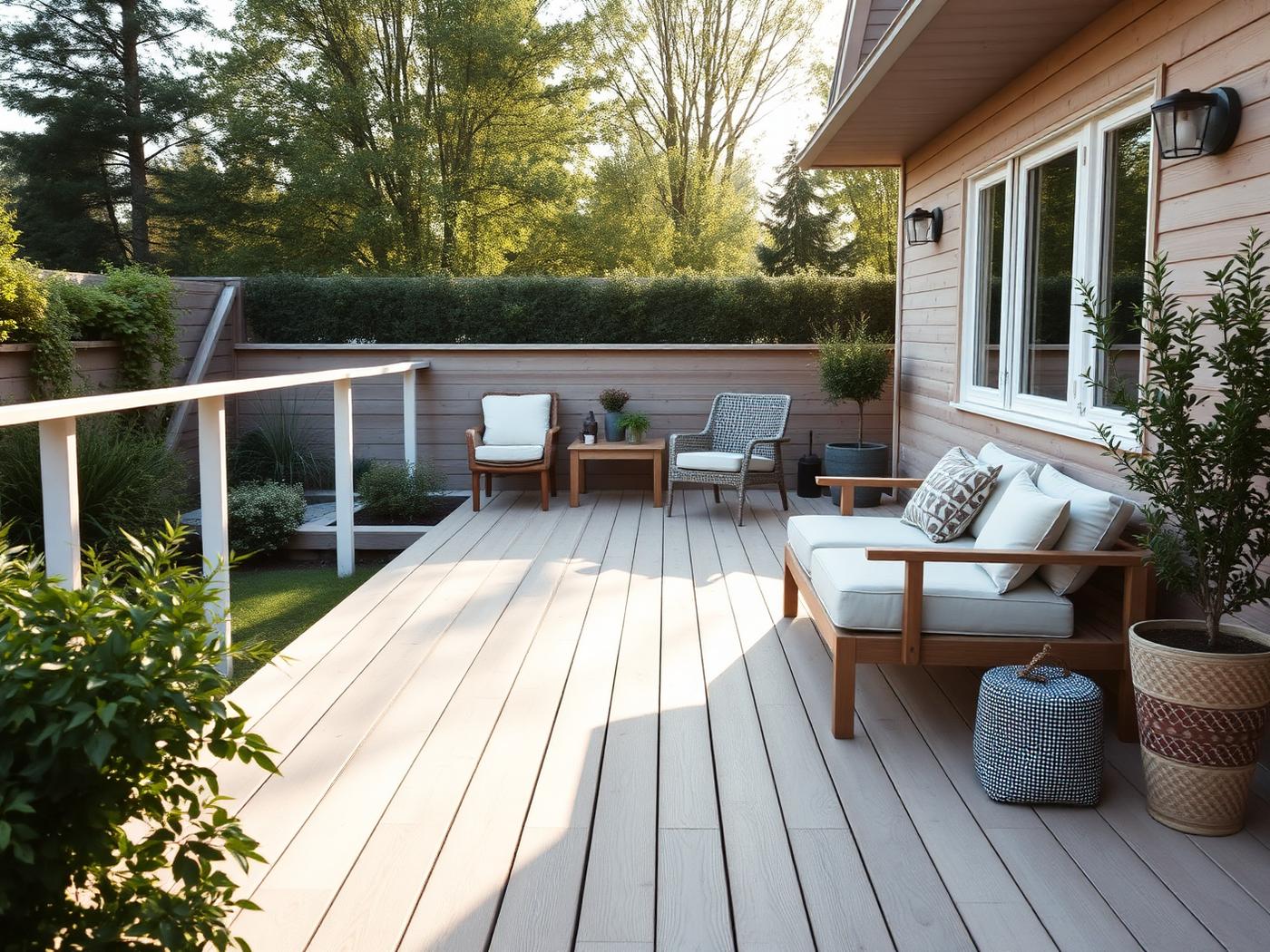
Build a deck
A classic timber deck built over six weekends — a place to breathe out.
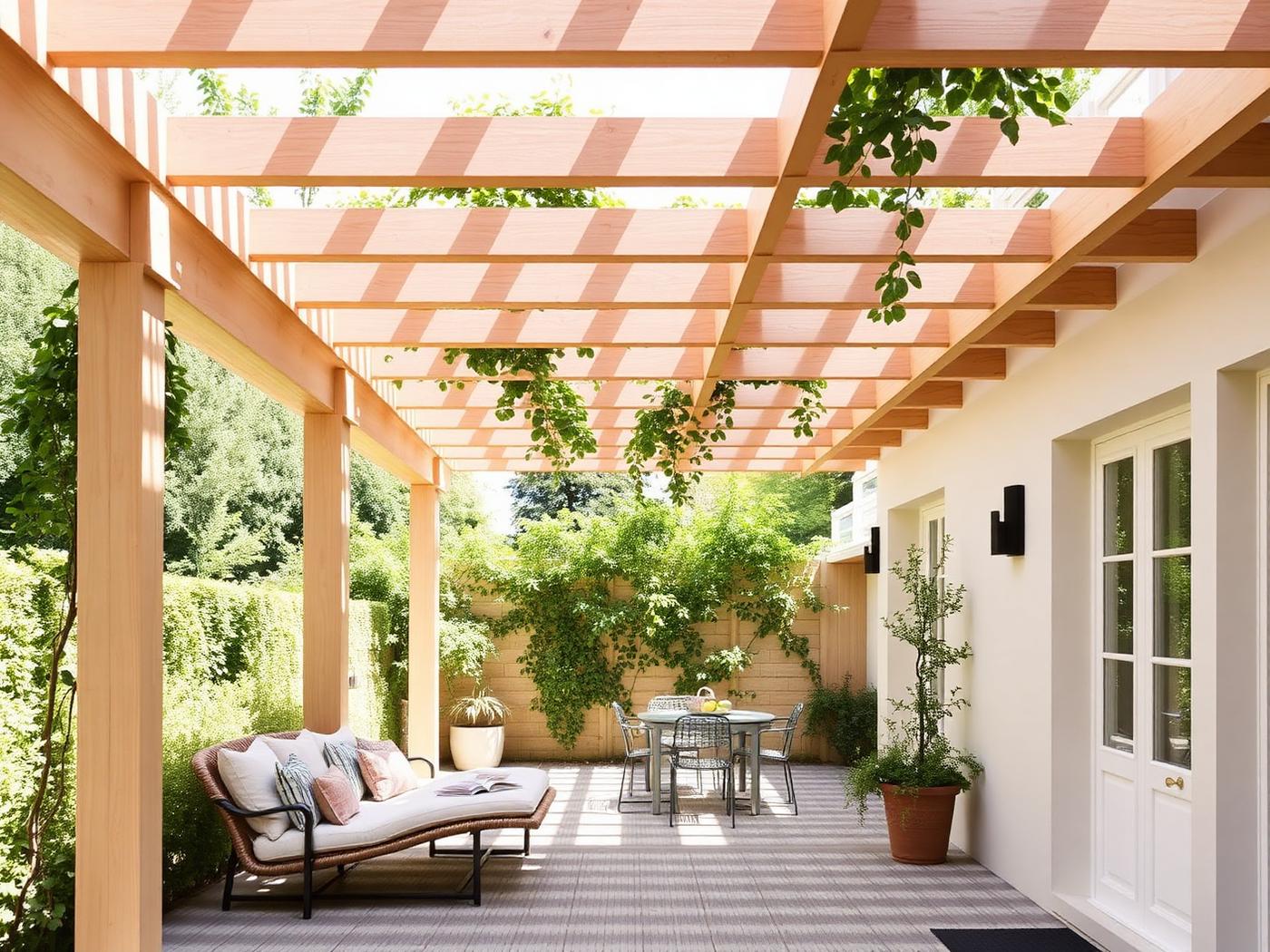
Build a pergola
Create an outdoor room with an airy pergola in light-coloured wood.
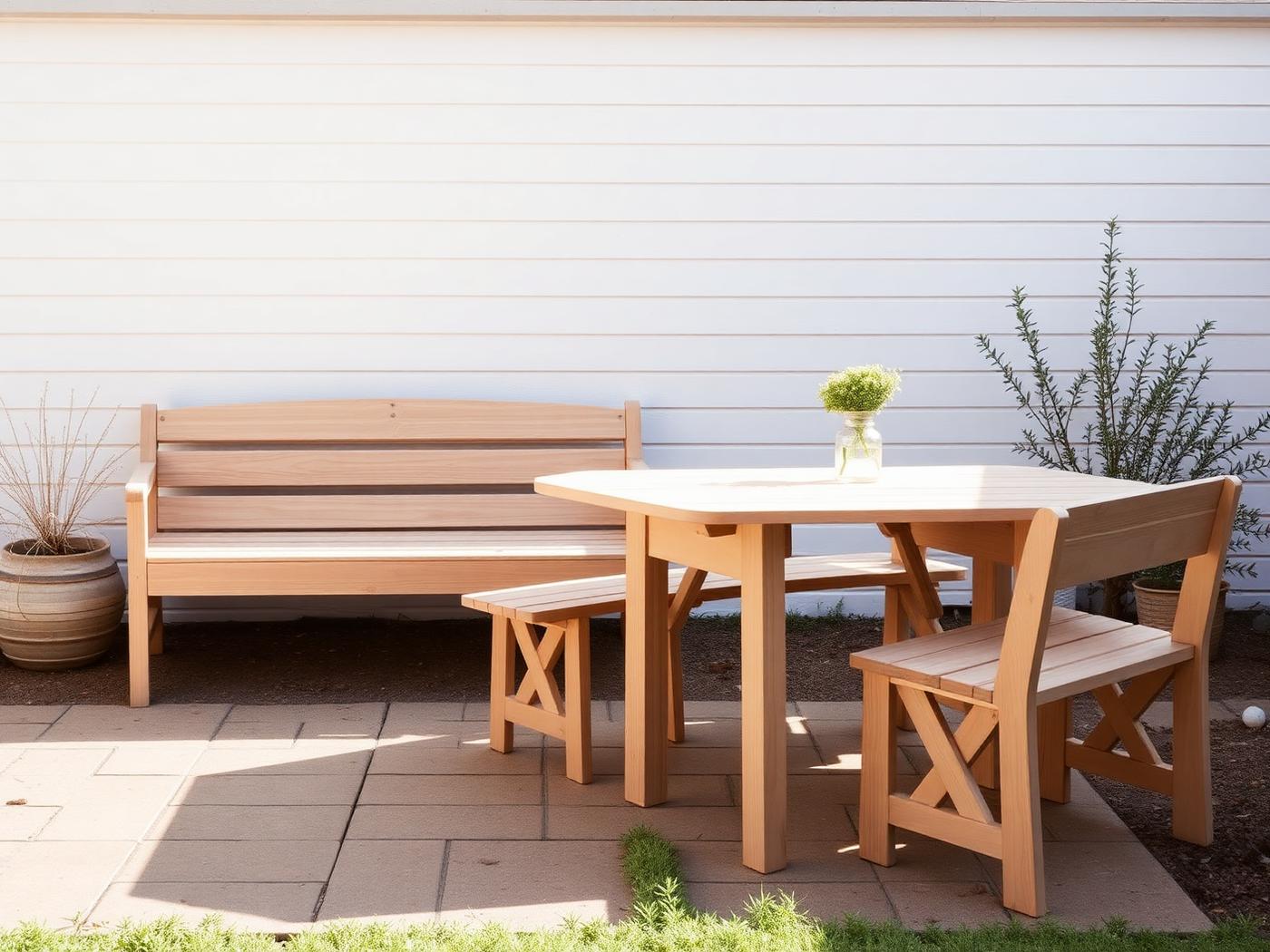
Build outdoor furniture
A sturdy garden bench that lasts for decades.