Lay a parquet floor — step by step
A warm wood floor that lifts the whole room — laid calmly in a weekend.
This is a complete guide to lay a wood floor yourself — step by step, with a material list, tools, a timeline and what it costs. It's written for anyone building at home without professional experience: count on 1–2 weekends and a material cost of around 6,000–18,000 kr.
Showing method: Click parquet — floating floor
The price is an estimate based on typical material prices and can vary depending on size, material choice, location and store.
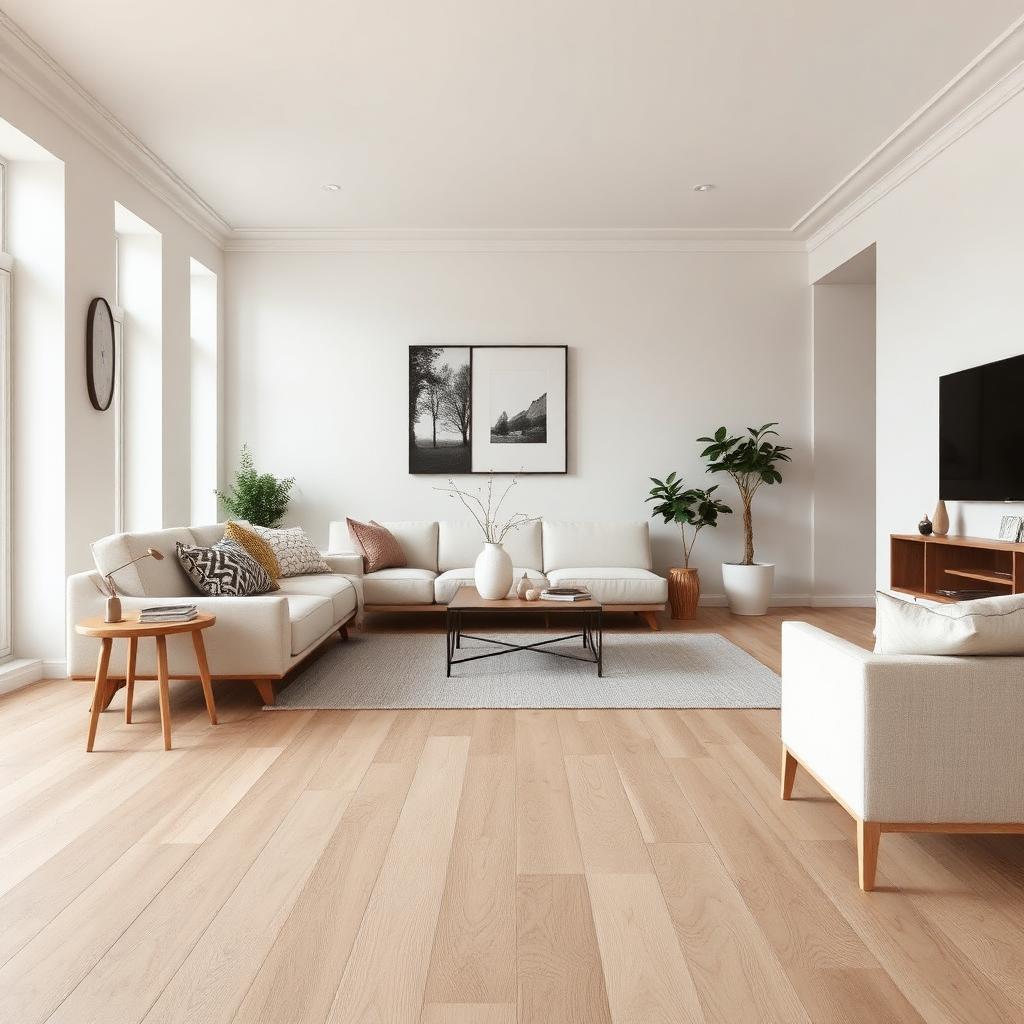
Which method suits you best?
Best for: Most rooms at home — living room, bedroom, hallway. The simplest choice if you're laying it yourself.
Please note: Material quantities, prices and building methods are guidelines. Always check current prices, local regulations and product instructions before starting a project.
How a wood floor comes together
A new parquet floor completely changes the feel of a room. Modern click parquet is designed to be laid yourself — no nails, no glue. We'll cover preparing the subfloor, laying the first row straight, and finishing with neat skirting boards.
Materials for a wood floor — full list
Check items off while you shop — the list stays with you on the page.
Lay a wood floor step by step
- 01
Prepare the subfloor
The subfloor must be flat, dry and clean. Check with a 2 m straightedge — the maximum allowed unevenness is 3 mm. Fill low spots and sand high ones. Sweep and vacuum thoroughly.
Tip: Let the parquet sit unopened in the room for 48 hours before you start — it adjusts to the humidity. - 02
Roll out the underlay
Roll out the foam underlay with the vapour barrier facing down. Lay the strips edge to edge (not overlapping) and tape the joints. The underlay dampens sound and protects against moisture from concrete.
- 03
Plan the laying direction
Lay the boards along the room's length or towards the light from the window — this makes the floor look larger and calmer. Measure the room width and divide by the board width. If the last row is narrower than 5 cm, cut the first row too so they're equal width.
Tip: Photograph the room and sketch the laying direction before you start — it's hard to change your mind halfway through. - 04
Lay the first row
Start along the straightest wall. Place spacer blocks (10 mm) between the board and the wall — the wood needs to be able to move. Click the short ends together within the same row. Check that the row is perfectly straight before continuing.
- 05
Offset the joints
Start the next row with a shorter board (at least 30 cm) so the joints are offset by about a third between rows. This gives a stronger, neater floor. Use the cut-off from one row as the starter piece for the next.
Tip: Lay out two or three rows loosely before clicking them in place — that way you see the pattern before it's permanent. - 06
Click the rows together
Angle the board about 30° against the previous row and press down — it should click into place. Use a tapping block and hammer gently if it resists. Never hit the parquet directly — that damages the click joint.
- 07
Cut around pipes and door frames
Mark and cut out for pipes (make the hole 2 cm larger than the pipe — a pipe collar covers the gap). At door frames, cut the frame 14 mm from the floor with a handsaw so the parquet can slide underneath.
- 08
The last row
Measure the width of the last row (minus 10 mm for movement) and cut the boards lengthwise. Pull them into place with a pull bar — there isn't room to angle them in.
- 09
Fit the skirting boards
Remove the spacer blocks. Nail or glue skirting boards to the wall (never to the floor — it must be able to move). Mitre the corners at 45° for a professional finish.
Tip: Paint or oil the skirting before fitting it — much easier than taping off the floor afterwards.
Help specific to lay a parquet floor
How the time breaks down
A room of 15–20 m² is laid in a weekend. Preparing the subfloor often takes as long as the laying itself.
- Acclimatising the parquet in the room48 h beforehand (passive)
- Preparing the subfloor (sweeping, filling, sanding)2–4 hours
- Rolling out the foam underlay30 minutes
- Laying the first row + planning1–1.5 hours
- Laying the rest of the floor (15–20 m²)5–8 hours
- Cutting around frames & pipes1–2 hours
- Fitting skirting boards + transition profiles2–3 hours
How to save time
- Hire a mitre saw for 250 kr/day — much faster and straighter cuts than a jigsaw.
- Work with a friend — one lays, one cuts. Halves the time.
- Order the parquet a week before you start so it has time to acclimatise at home.
Questions and answers about lay a parquet floor
How do you lay a wood floor?
A new parquet floor completely changes the feel of a room. Modern click parquet is designed to be laid yourself — no nails, no glue. We'll cover preparing the subfloor, laying the first row straight, and finishing with neat skirting boards. The guide breaks the work into 9 steps — you start with prepare the subfloor, roll out the underlay and plan the laying direction and work your way forward at your own pace.
How much does it cost to lay a wood floor?
Material cost is typically 6,000–18,000 kr. Total cost 6,000–18,000 kr for a 15–20 m² room. The parquet itself accounts for most of it — quality determines the price. The biggest items are click parquet, oak 14 mm (~17 m² + 8% waste) 4,000–13,000 kr, foam underlay 2 mm with vapour barrier (~17 m²) 400–900 kr and skirting boards (~20 linear metres) 600–1,500 kr. The price varies with size, material choice, location and store.
What materials do you need for a wood floor?
You'll need things like click parquet, oak 14 mm, foam underlay 2 mm with vapour barrier, skirting boards, transition profile and skirting nails or fixing adhesive — the full material list with quantities is in the guide and can be checked off while you shop. Tools you'll need at home: jigsaw or circular saw, mitre saw (if you have one), tapping block & pull bar and tape measure & pencil.
How long does it take and how hard is it?
Count on 1–2 weekends for a wood floor. A room of 15–20 m² is laid in a weekend. Preparing the subfloor often takes as long as the laying itself. The difficulty level is moderate, so you can manage it without professional experience if you follow the steps in order.
Which method should I choose for a wood floor?
There are 3 common ways to build it: click parquet — floating floor, glued parquet on a concrete slab and solid wood floor (sanded and oiled). Choose a method at the top of the page — the guide, material list and cost then adapt to that solution.
What's the most common mistake?
The mistakes we see most often: not leaving a 10 mm expansion gap at the walls — the floor buckles when it expands, hitting the parquet directly instead of using the tapping block — the click joint is damaged and the row gaps and starting before the parquet has acclimatised for 48 hours in the room. Read through the whole guide once before you start — that way you'll avoid most of them.
And that's it, done.
Take a step back, pour a cup of coffee and enjoy. You built it yourself.
Next project: Build a fenceDid this guide help you?
Your opinion helps us improve our content.
Built something you're proud of?
Send us photos of your finished project — we pick out and publish them as inspiration for others who want to lay a parquet floor.
Related indoor projects
If you're planning to lay a parquet floor, one of these projects is often a great fit to do at the same time.
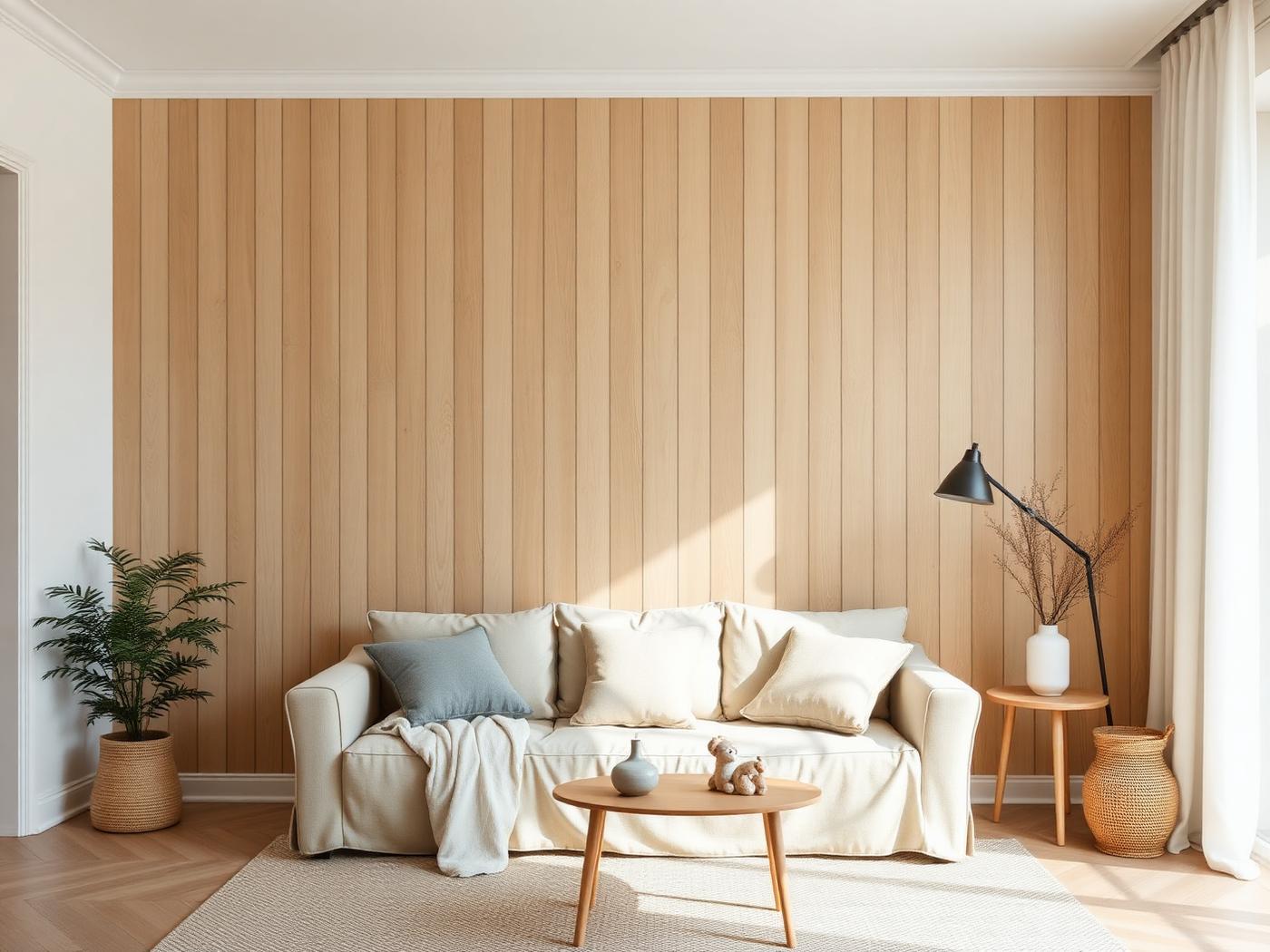
Install wall panelling
Transform a room with warm wood panelling — in a weekend.
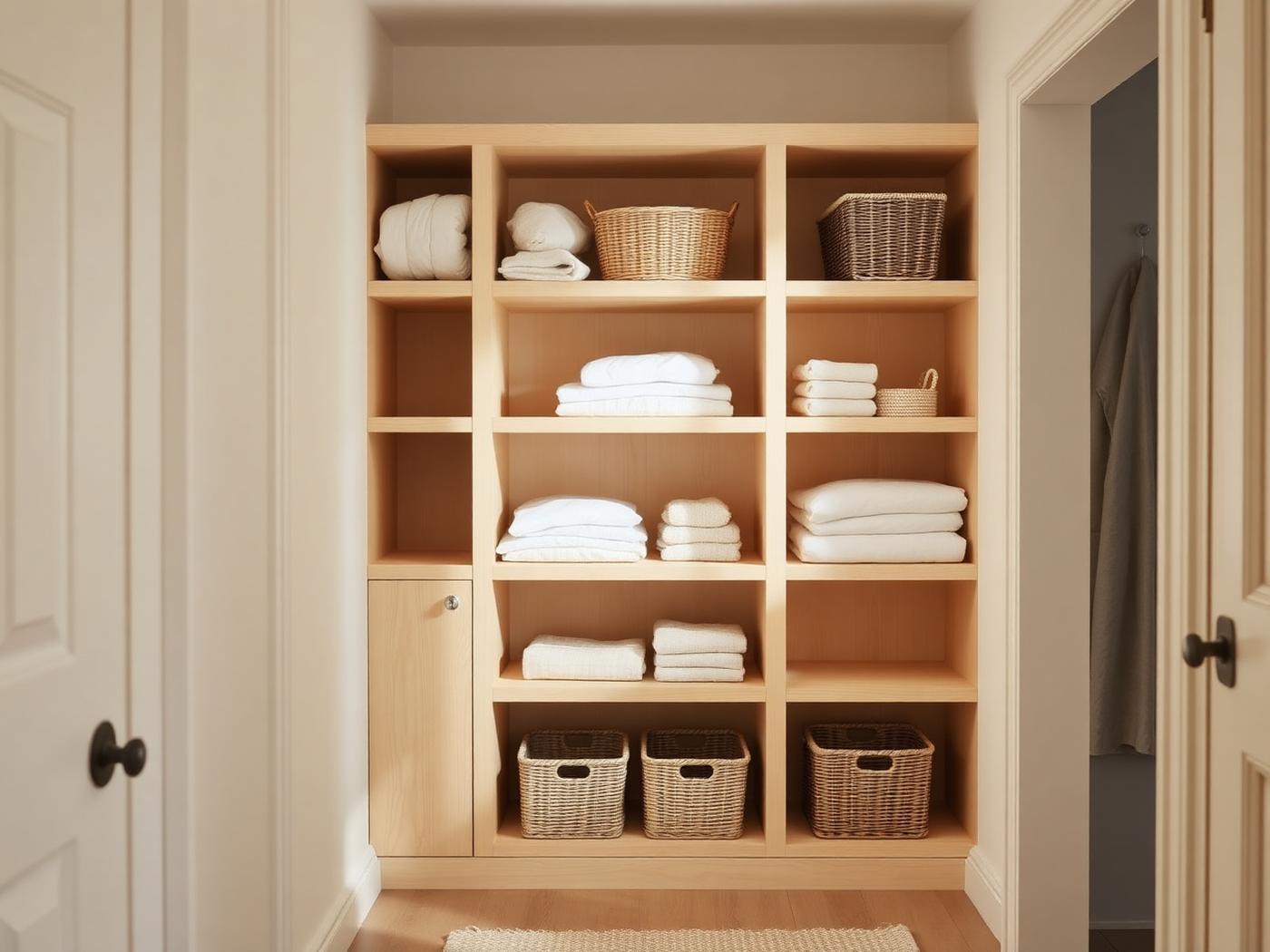
Build storage
Built-in shelving that looks like it's always belonged there.
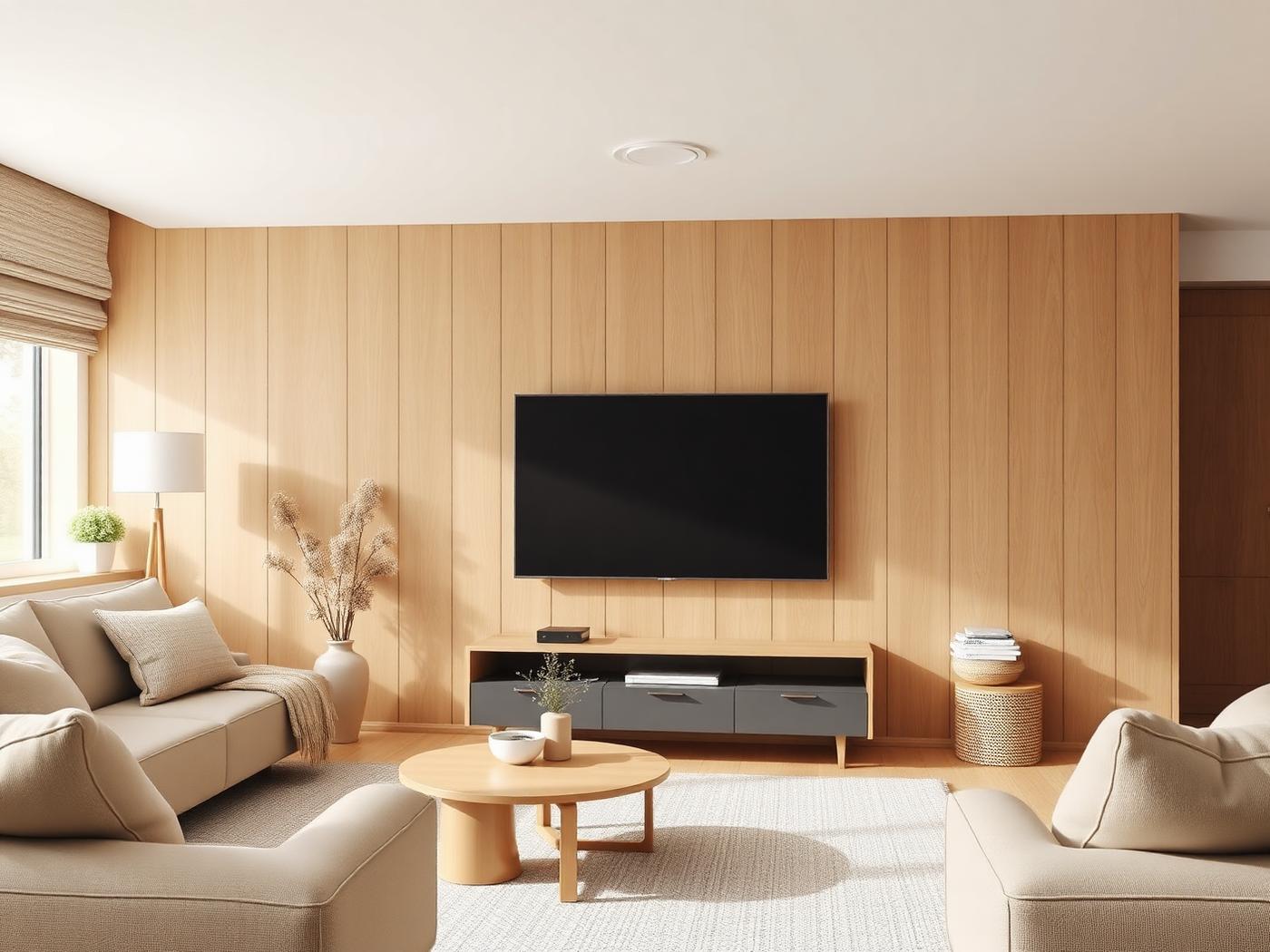
Mount a TV
Hang the TV straight, securely and with hidden cables — in an afternoon.